



Few countries have influenced the global automobile industry as profoundly as Germany. Known for precision engineering, durability, luxury, and high performance, German cars hold a prestigious reputation across the globe. From the ultra-luxurious Mercedes-Benz S-Class to the humble Volkswagen Golf, German automakers have consistently balanced innovation with tradition.
In this article, we explore the best German car brands, segmented into Luxury, Sports, Affordable, and High-Performance categories. We’ll also discuss their origins, ownership, logos, market presence, sales, and their different makes such as sedans, SUVs, hatchbacks, roadsters, and electric vehicles.
Table of Contents
1. Luxury German Car Brands
1.1 Mercedes-Benz
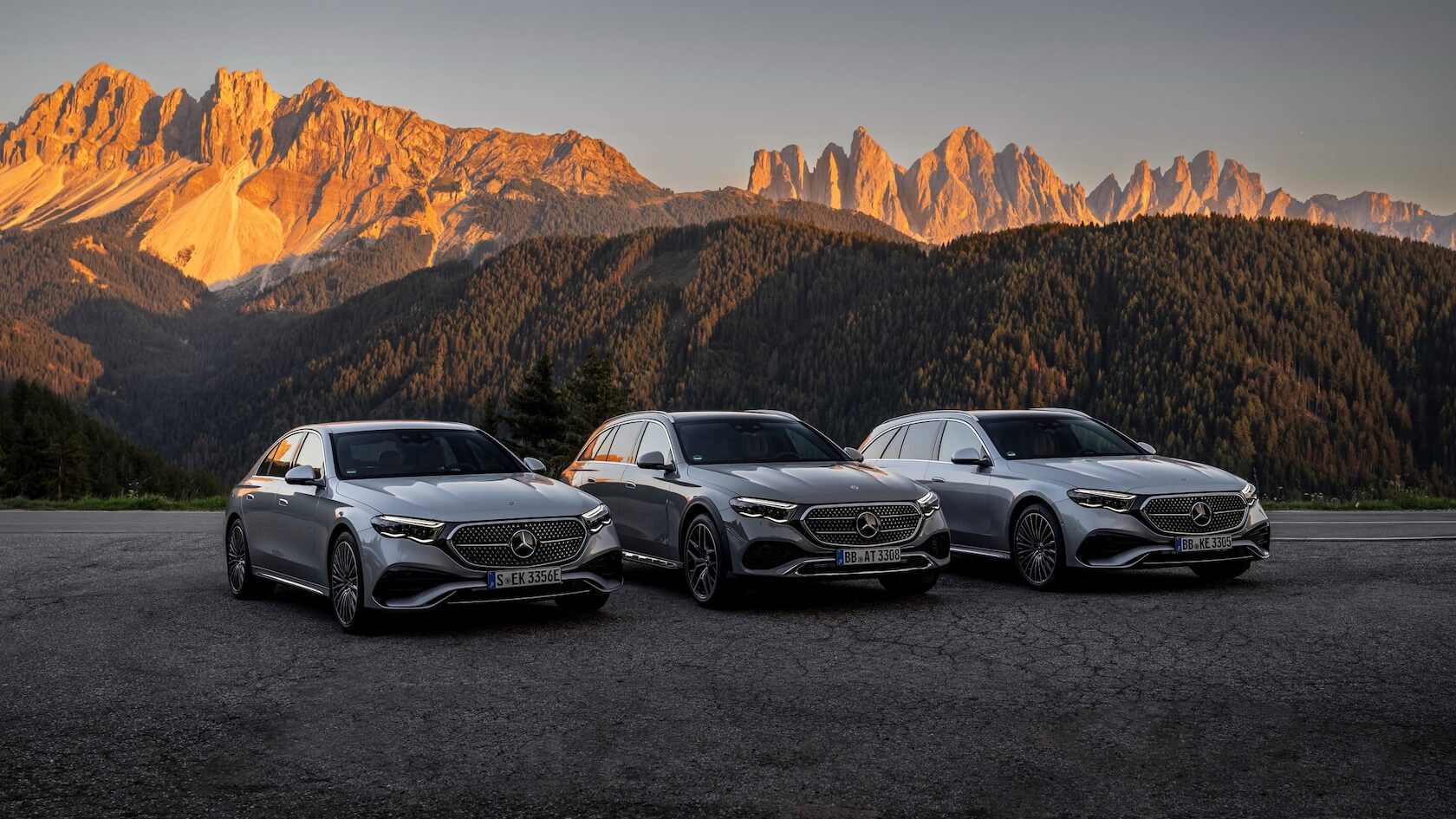
- Origin: Founded in 1926, Stuttgart, Germany.
- Ownership: Mercedes-Benz Group AG (formerly Daimler AG).
- Logo: Three-pointed star symbolizing mobility on land, sea, and air.
- Availability: Sold in over 150 countries with manufacturing plants worldwide.
- Sales: Over 2 million units annually in recent years.
Notable Makes:
- Sedans: S-Class (flagship), E-Class, C-Class.
- SUVs: GLE, GLS, G-Class.
- Coupes & Roadsters: E-Class Coupe, SL Roadster.
- EVs: EQS, EQE, EQC.
Mercedes-Benz defines German luxury with elegance, innovation, and cutting-edge technology.
1.2 BMW
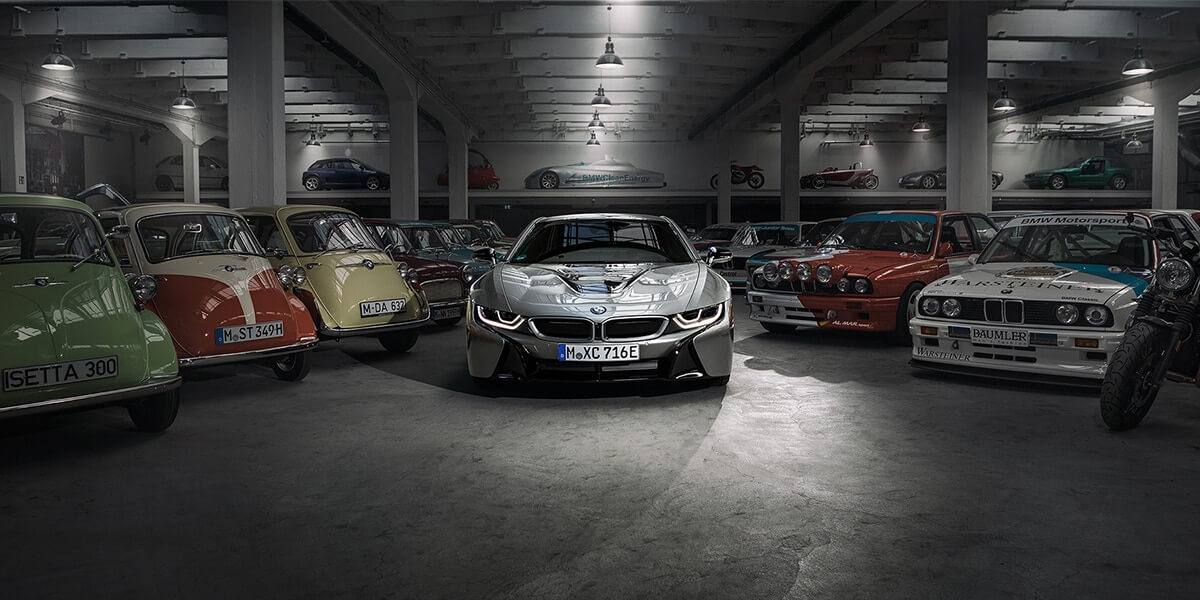
- Origin: Founded in 1916, Munich, Germany.
- Ownership: BMW Group (also owns MINI and Rolls-Royce).
- Logo: Blue and white roundel representing Bavaria.
- Availability: Active in over 140 countries.
- Sales: 2.2–2.5 million vehicles annually.
Notable Makes:
- Sedans: 3 Series, 5 Series, 7 Series.
- SUVs: X1, X3, X5, X7.
- Coupes & Roadsters: 2 Series Coupe, Z4.
- EVs: i4, iX, i7.
BMW’s slogan “The Ultimate Driving Machine” reflects its sporty and luxury DNA.
1.3 Audi
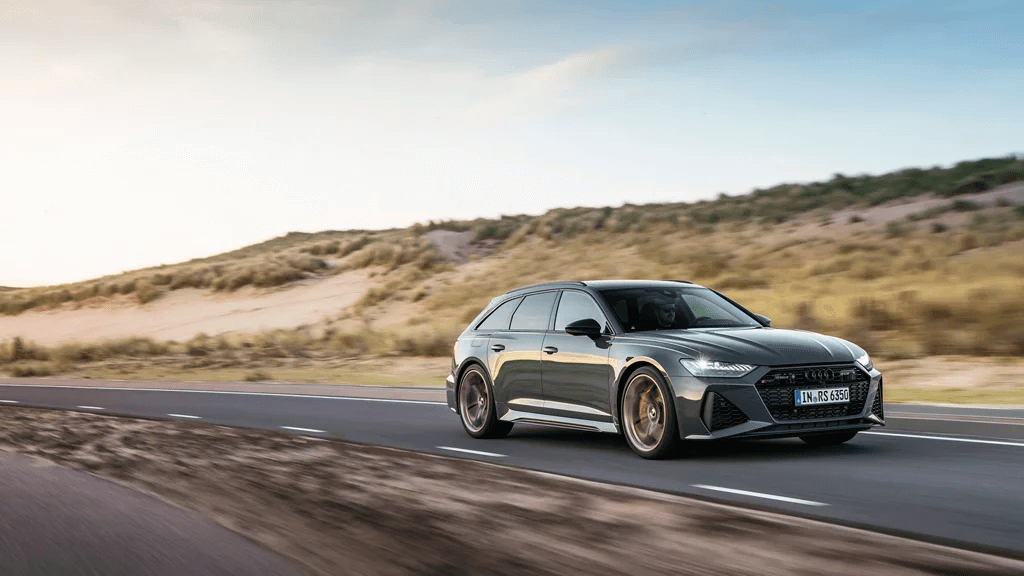
- Origin: Founded in 1909, Ingolstadt, Germany.
- Ownership: Volkswagen Group.
- Logo: Four interlinked rings (Auto Union).
- Availability: 100+ markets worldwide.
- Sales: 1.6–1.8 million units annually.
Notable Makes:
- Sedans: A4, A6, A8.
- SUVs: Q3, Q5, Q7, Q8.
- Sportback & Coupes: A5, TT Coupe.
- EVs: e-tron GT, Q4 e-tron.
Audi is known for Quattro AWD technology and minimalist luxury interiors.
1.4 Porsche
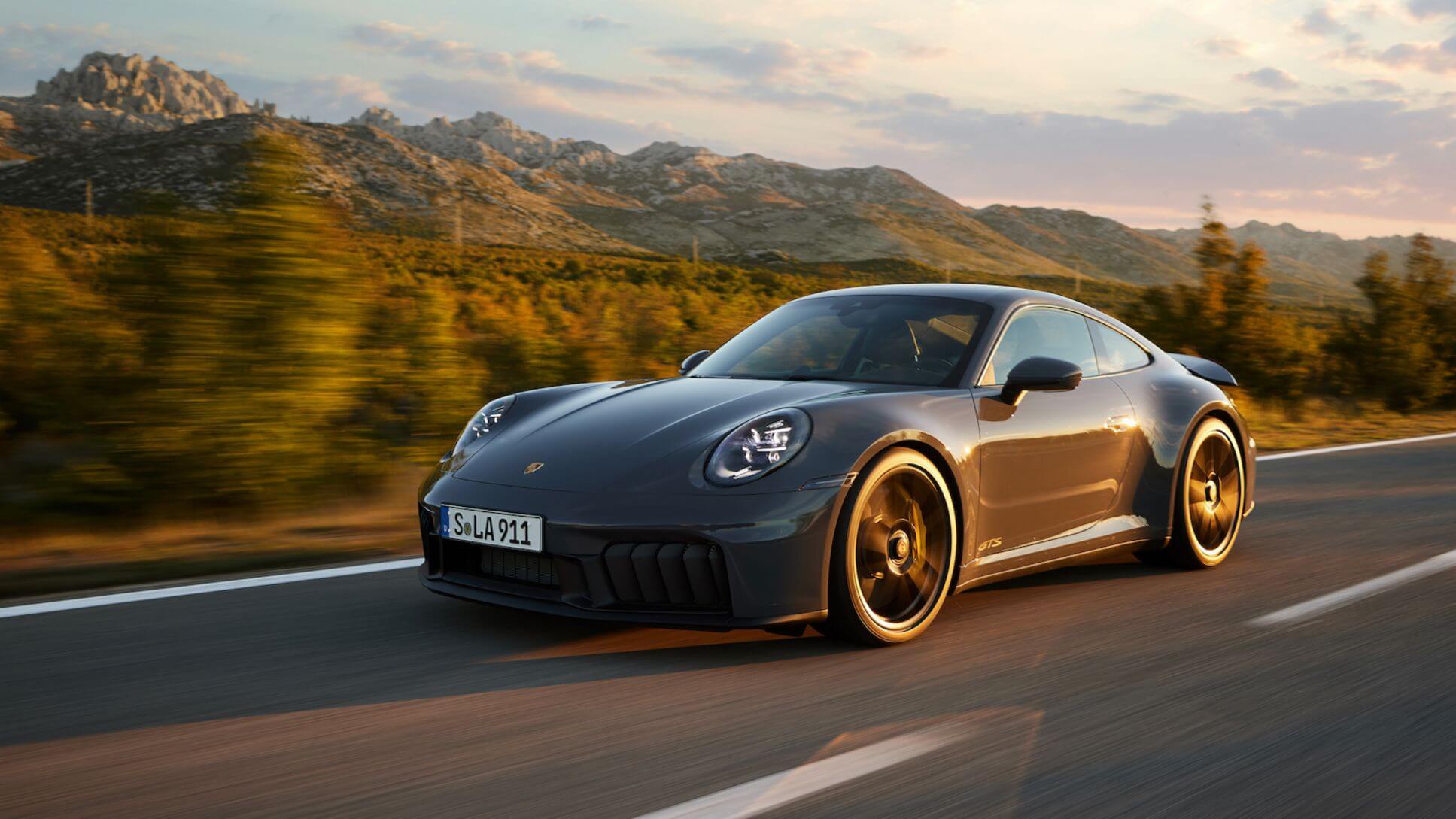
- Origin: Founded in 1931, Stuttgart, Germany.
- Ownership: Volkswagen Group.
- Logo: Stuttgart’s coat of arms.
- Availability: 100+ countries.
- Sales: Over 300,000 cars annually.
Notable Makes:
- Sports Cars: 911, 718 Cayman, 718 Boxster.
- Luxury Sedans & Coupes: Panamera.
- SUVs: Cayenne, Macan.
- EVs: Taycan.
Porsche blends sports DNA with luxury, appealing to both enthusiasts and executives.
2. Sports Car Brands
2.1 Porsche (Sports Division)
- Focus on 911 Carrera, 911 Turbo S, Cayman, Boxster.
2.2 BMW M Division
- Key Models: M2, M3, M5, M8, X5 M.
- Track-ready yet daily drivable.
2.3 Mercedes-AMG
- Key Models: AMG GT Coupe, C63 AMG, G63 AMG.
- Famous for “One Man, One Engine” craftsmanship.
2.4 Audi Sport (RS Division & R8)
- Key Models: RS6 Avant, RS7, RS Q8, R8 supercar.
- Known for Quattro all-wheel drive stability.
3. Affordable German Car Brands
3.1 Volkswagen (VW)
- Origin: Founded 1937, Wolfsburg.
- Ownership: Volkswagen AG.
- Logo: VW emblem.
- Availability: Worldwide, top 3 automakers globally.
- Sales: 9–10 million vehicles annually (VW Group).
Notable Makes:
- Hatchbacks & Sedans: Golf, Polo, Passat, Jetta.
- SUVs: Tiguan, Touareg, T-Roc.
- EVs: ID.3, ID.4, ID.Buzz.
Volkswagen offers affordability with quality German engineering.
3.2 Opel
- Origin: Founded 1862, Rüsselsheim.
- Ownership: Stellantis Group.
- Logo: Lightning bolt.
- Availability: Mostly Europe.
- Sales: Strong in hatchback markets.
Notable Makes:
- Hatchbacks: Corsa, Astra.
- SUVs: Crossland, Grandland.
- EVs: Corsa-e, Mokka-e.
Opel is known for practical, fuel-efficient cars at affordable prices.
3.3 Smart
- Origin: 1994.
- Ownership: Daimler (Mercedes-Benz) + Geely JV.
- Logo: “c” with an arrow.
- Availability: Europe, China.
- Sales: Niche urban EVs.
Notable Makes:
- Compact Cars: fortwo, forfour.
- EVs: Smart EQ lineup.
Perfect for city driving with zero emissions.
4. High-Performance German Car Brands
4.1 Porsche
- Icons: 911 Turbo S, 918 Spyder, GT3 RS.
- Legendary motorsport heritage.
4.2 BMW M Division
- Track Beasts: M3 GTR, M4 CSL, M5 Competition.
4.3 Mercedes-AMG
- Halo Model: AMG One (F1 hybrid engine).
4.4 Audi Sport
- Supercars: R8 V10, RS e-tron GT.
4.5 Niche Supercar Makers
- Gumpert Apollo: Track-oriented hypercar.
- Wiesmann: Retro-modern hand-built sports cars.
- MANHART: Extreme tuners specializing in German brands.
5. German Car Brands & Global Markets
- USA: Strong luxury demand (BMW, Mercedes, Audi SUVs).
- Europe: Volkswagen & Opel dominate affordable segments.
- China: Largest luxury market for Mercedes, BMW, Audi.
- EV Revolution: VW’s ID series, BMW i, Mercedes EQ, Audi e-tron, Porsche Taycan.
Conclusion
Germany’s car industry represents a fusion of luxury, affordability, and high performance.
- Luxury: Mercedes-Benz, BMW, Audi, Porsche.
- Sports & High Performance: Porsche, BMW M, Mercedes-AMG, Audi Sport.
- Affordable: Volkswagen, Opel, and Smart.
From affordable hatchbacks like the Volkswagen Polo to track monsters like the Porsche 911 Turbo S, German car brands have something for everyone. As they transition into the electric and autonomous future, German automakers remain global leaders, proving why the world still looks to Germany for automotive excellence.
